Hip fractures are a common injury, especially among older adults. Understanding hip fracture types, causes and prevention steps can help reduce risk and support a safer recovery.
A hip fracture, or broken hip, can be a painful injury that takes time to recover from. As you age, the risk increases, especially for women and those with osteoporosis.
If you or a loved one experiences a fall or accident, there are steps that can support healing and help restore mobility.
What is a hip fracture?
A hip fracture is a break or crack in the upper thigh or general hip area, including the pelvis. These injuries are most common in older adults and are often caused by falls. According to the CDC's falls prevention resource, more than 300,000 adult seniors are hospitalized for a hip injury each year due to falls.
Types of hip fractures
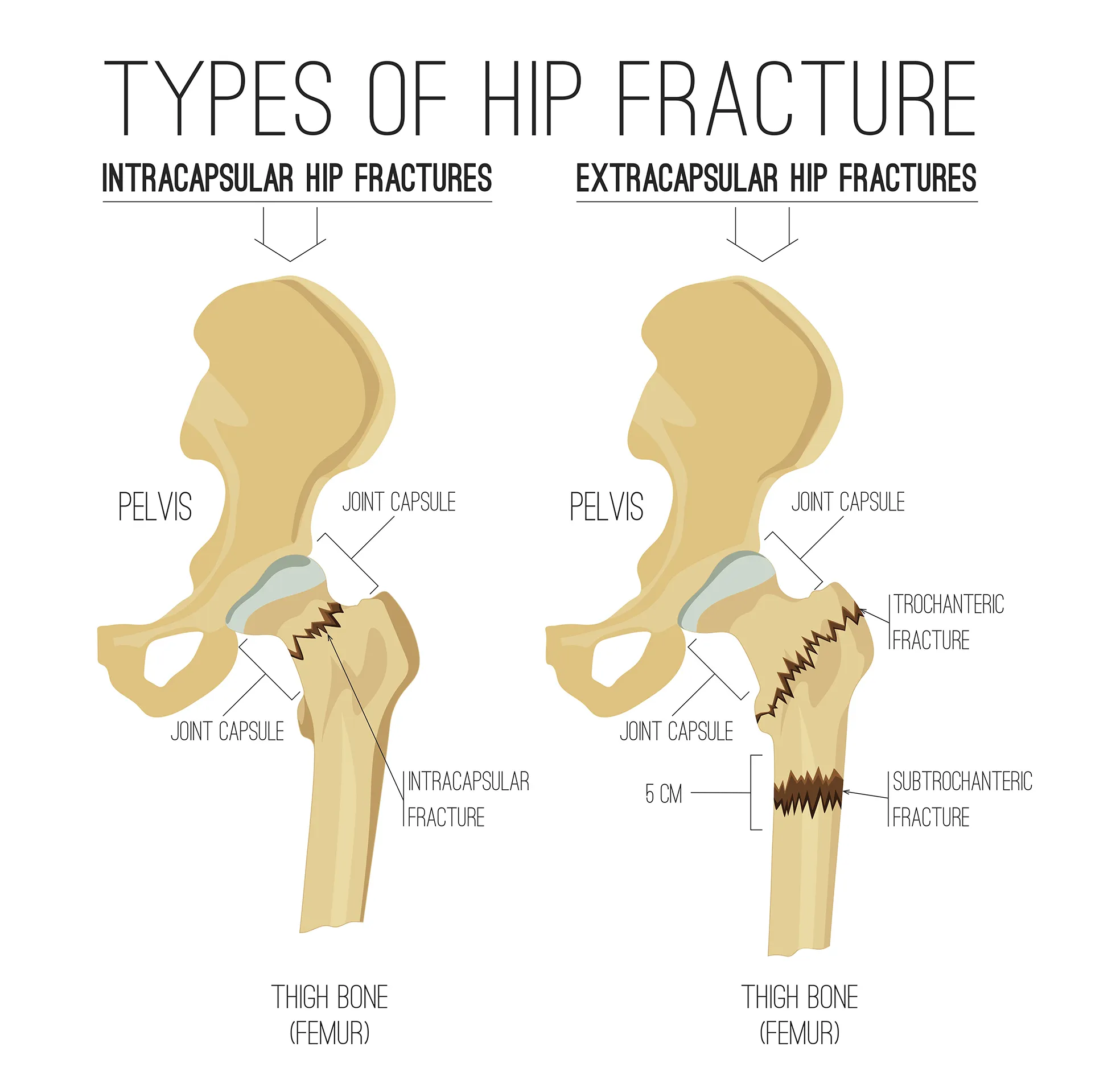
The two most common types of hip fracture include:
- Intracapsular hip fractures — A break or crack above the hip joint
- Extracapsular hip fractures — A break or crack below the hip joint
Understanding the type of fracture helps guide treatment and recovery planning.
Can a hip fracture be prevented?
Because most hip fractures are caused by falls, prevention focuses on improving safety and reducing risk. Brandon Jackson, a physical therapist and head of the hip fracture program at Encompass Health Rehabilitation Hospital of Sewickley, said removing fall risks in and around the home can make a big difference.
"There are basic things people can do in the home, like removing throw rugs and removing items on the floor," he said. "You might want to have grab bars and other assistive devices installed in the restroom and house, as well."
Common fall risks include:
- Pets (large and small)
- Electrical cords
- Uneven floors
- Steps and stairs
- Unsafe/unsecured rails
- Visual distortions (low light, low contrast floors and steps)
Health conditions can also raise the risk of falls and fractures. These include high blood pressure, arthritis and osteoporosis.
Jackson said vitamin D deficiency can also be linked to fractures and weak bones. Talk to your doctor and see if you need supplementation.
Regular exercise is also important.
"Exercise in general and staying as active as possible can help prevent a fracture in the future," he said.
Hip fracture treatment and recovery
Hip fractures, especially in older adults, often require an acute hospital stay and may involve surgery, including:
- Full hip replacement where the ball and socket of the hip are replaced with artificial parts
- Partial hip replacement where part of the joint is replaced
- Insertion of metal screws to stabilize the bones while the fracture heals
“After surgery, rehabilitation can help you heal properly and manage pain,” Jackson said. “Most of those recovering from a hip fracture can benefit from the therapy and medical support offered at a rehabilitation hospital.”
What to expect from inpatient rehabilitation
Rehabilitation hospitals, such as Encompass Health, provide a hospital-level care combined with therapy to help patients recover their highest level of independence after an injury or illness.
Patients at a rehabilitation hospital receive:
- At least three hours of therapy a day, five days a week
- Support from a team of physical, occupational and speech therapists
- 24/7 nursing care
- Regular visits from rehabilitation physicians
A multidisciplinary team develops a personalized care plan focused on each patient's specific needs and goals. Each patient receives a combination of physical, occupational and speech therapy.
How hip rehabilitation supports recovery
The rehabilitation plan will depend on the patient's weight-bearing status and overall condition. Therapists complete an assessment upon admission to understand how the patient moves and what level of support is needed.
Patients usually arrive at a rehabilitation hospital three to four days after surgery. Early hip rehabilitation therapy is gentle and focused on pain management.
“In therapy, we talk about managing pain through repositioning and using heat and ice,” he said. “We also talk about the benefits of movement and mobility. That can help manage pain, as well.”
Therapists work with patients to transition safely from the bed to sitting or standing, depending on their ability to bear weight. They also help patients learn to use adaptive equipment, such as a cane, walker or wheelchair.
Physical therapy focuses on building strength, mobility and balance. Occupational therapy focuses on activities of daily living, such as dressing and basic hygiene.
“If the patient can bear weight, therapists encourage patients to get up and move around as much as possible,” Jackson said. “Encompass Health Sewickley has a Walk with Me program, where patients get up with the assistance of nursing staff even when they are not in therapy.”
Hip fracture recovery timeline
The total recovery time for a hip fracture varies from person to person. The average length of stay for a hip fracture patient in an inpatient rehabilitation hospital is typically around 10 to 12 days. After that, most patients are able to be sent home with exercises to help them continue to heal. Depending on the severity of the fracture, the patient may also continue therapy with home health or outpatient therapy following their rehabilitation hospital stay.
What equipment and technology are used in hip fracture recovery?
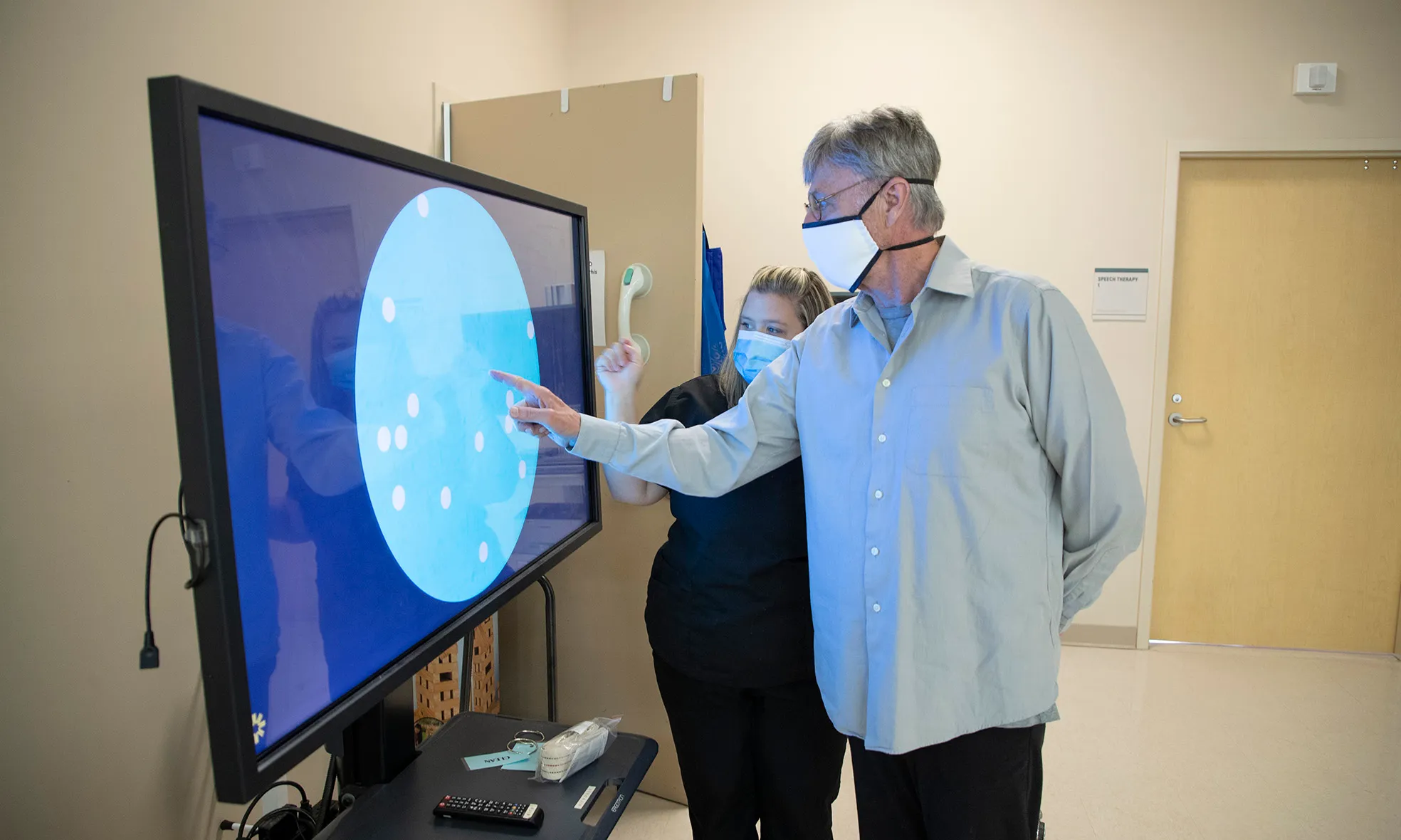
Rehabilitation programs may include a range of tools and technology to support recovery. An exercise bike or equipment such as the MOTOMed® muvi or NuStep can help build strength in the legs and core. Balance systems may also be used to help improve coordination and stability. BITS® Balance uses a motion sensor to track patient movements as they perform certain exercises to build balance.
How involved is family during rehabilitation?
Family members and loved ones are an essential part of the care plan. Depending on the hospital's visitation policies, the primary caregiver may be invited to attend frequent meetings with the care team.
During these sessions, clinicians can teach caregivers about:
- Using adaptive equipment
- Preparing the home environment
- Supporting safe care routines
“We try to get them involved early on to provide them any education they might need,” Jackson said. “We want them to feel safe with their loved one at home too. We'll give them recommendations, and we'll also confirm the setup of the house. We want everyone to be ready at the time of discharge.”
What should you look for in a rehabilitation hospital?
Look for a hospital that has a specialized program for hip fracture recovery, Jackson advised.
Joint Commission Disease-Specific Care certifications indicate that the program meets the rigorous standards for quality and patient outcomes.
“If you're going to a place that has that seal, it means they have been vetted in terms of positive patient outcomes, and they're continuing that process of improvement,” Jackson said.
For more information on hip fracture recovery and rehabilitation, find an Encompass Health hospital near you and talk to one of our rehabilitation specialists.