As artificial intelligence and smart technologies reshape health care, Encompass Health is incorporating these tools into everyday activities to help individuals live more independently. These innovations support care teams in delivering personalized, hands-on care while helping patients progress safely and effectively through recovery, both in the hospital and at home.
The rapid growth of artificial intelligence, wearable devices and smart home systems has transformed the way we live. Today, technology can monitor your heart rate, remind you to take your medicine and even allow your caregiver to track your progress away from home.
These new technologies and innovations might also allow older adults to live more safely and independently in their own homes for longer.
At Encompass Health Rehabilitation Hospital of Greenville in South Carolina, the introduction of SMART home technologies to patients and their loved ones during their stay is teaching them innovative solutions to help them return home and back to their communities after a serious illness or injury. It’s also helping them establish some of the same technologies after their stay to make their home safer.
“The goal is to get people back home, and this initiative supports our company objective of reducing patient readmission rates,” said Chris Daughtery, director of therapy operations at Encompass Health Greenville. “We want our patients to have strong outcomes and remain in their homes, which starts with gaining as much independence and education as possible while in our care.”
Rehabilitation and therapy that simulates real life
All Encompass Health rehabilitation hospitals have an Activities of Daily Living suite. These are home-like environments where patients work with therapists to practice daily-living tasks such as cooking, dressing and bathing.
Interdisciplinary care teams — including physical therapists, occupational therapists and speech-language pathologists — collaborate by incorporating these activities into therapy to better prepare individuals to return to their homes and lives.
Being able to perform basic Activities of Daily Living (ADLs) and Instrumental Activities of Daily Living (IADLs) are essential to helping patients regain their independence in inpatient rehabilitation. Therapists incorporate these activities into daily care, using real‑world tools and technologies to help patients safely practice tasks such as dressing, meal preparation, medication management and household mobility.
Basic ADLs include:
- Bathing and showering: The ability to wash your body safely, get in and out of the tub or shower and maintain personal hygiene.
- Dressing: The ability to select appropriate clothes, put them on, manage buttons or zippers and take them off.
- Eating: The ability to feed yourself once food has been prepared. This includes using utensils safely and chewing or swallowing properly.
- Mobility and transferring: The ability to move from one place to another. This includes standing up from a chair, getting out of bed and walking or using a wheelchair safely.
IADLs include:
- Managing medications: Remembering to take the correct medication at the right time and in the correct dose.
- Preparing meals: Planning meals, gathering ingredients, safely cooking the food and storing leftovers.
- Managing finances: Paying bills on time, balancing a bank account and handling cash.
- Shopping: Buying groceries, clothing and other essential items.
- Transportation: Driving a car, using public transportation or arranging rides to medical appointments.
- Communication: Using the telephone, managing mail and using the internet to connect with others.
Smart technology to support independent living
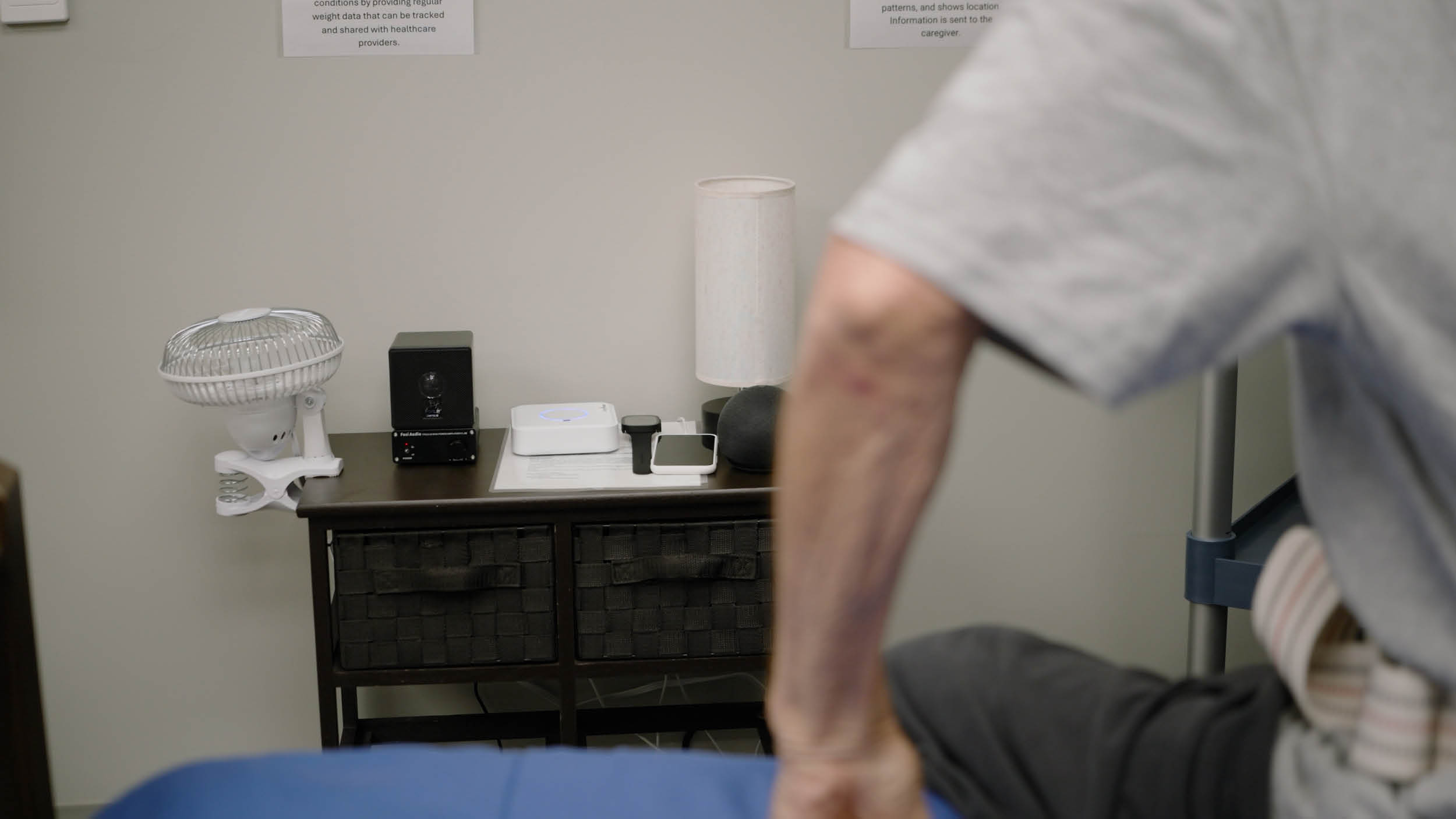
Encompass Health Greenville has taken its ADL suite to a new level by incorporating smart home technologies.
In these suites, therapists teach you and your family members how to use voice‑controlled lighting, sensors, smart appliances, automated door locks and more. By practicing in a safe, closely monitored environment, you can build the skills and confidence needed to manage daily life at home.
REAL Therapy™— Realistic Environment Applied Learning — is unique to Encompass Health hospitals and provides patients access to real-life scenarios such as dining out, grocery shopping, driving and more. Incorporating these activities into daily therapy helps mirror the real-life tasks patients face at home.
“Our Real Therapy™ functional kits really help introduce our clinicians to how they can think about our activities of daily living and how to integrate them into their care for a patient. For example, a speech therapist might work on medication management; the OT might teach you how to use an Alexa device; and the physical therapist might help you with reducing falls by training you on remote sensors.”
This approach is designed to be a family experience and provides an important opportunity for family members to learn alongside their loved one.
“We try to incorporate family training into therapy sessions,” Daughtery said. “The goal is to create as many touchpoints as possible with family members and teach them how to help. It’s another resource we offer to help patients remain in their homes.”
Incorporating smart technologies in your home
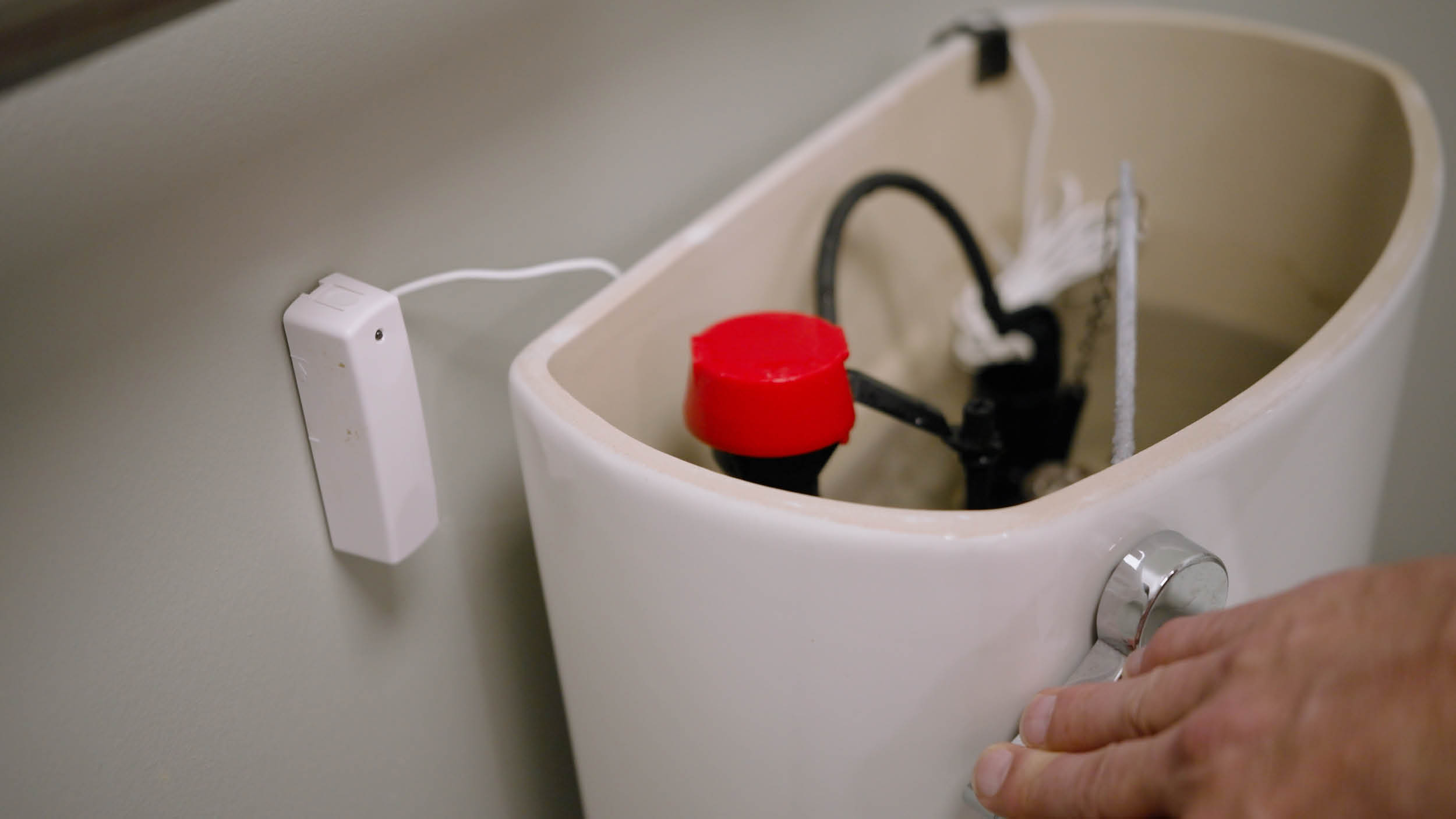
As you age, the right smart home technology can make everyday life easier and safer. These tools are designed to support independence, reduce common risks and provide added peace of mind for you and your loved ones.
Smart kitchen devices
The kitchen can be a dangerous place if you have tremors, weaknesses or memory issues. Smart kitchen technology can make meal preparation much safer.
Smart refrigerators can remind you when food is about to expire. Smart ovens and stoves can be programmed to turn off automatically after a certain amount of time. There are also smart microwaves with barcode scanners that automatically set the correct cooking time for packaged foods, taking the guesswork out of meal preparation.
“A lot of these technologies are a part of environmental controls,” Daughtery said. “Some are sensors. For example, if someone is cooking and turns on the stove then forgets about it, there is an audible heat sensor that lets them know the stove is still on.”
Automated lighting and climate control
Proper lighting is crucial for preventing falls, especially if you need to use the bathroom in the middle of the night. Smart light bulbs and motion sensors can be programmed to light your path automatically.
When you swing your legs out of bed, a motion sensor can detect your movement and turn on a dim light in the hallway and the bathroom. Smart thermostats can also learn your schedule and adjust the temperature, so you remain comfortable throughout the day, without needing to manually adjust the temperature.
How smart home technology helps caregivers
Taking care of a loved one requires significant time, energy and emotional focus. Many caregivers juggle their support duties with full-time jobs, childcare and their own health needs.
Caregiver burnout is a real and serious condition. It happens when a caregiver becomes physically and emotionally exhausted. Smart home technology provides a vital layer of support, helping to reduce stress and share the caregiving load.
“It allows caregivers to continue working and run errands while still being able to monitor their loved one and respond to emergencies,” Daughtery said. “One of the main reasons patients are readmitted to the hospital is due to falls and medication issues. This technology gives caregivers better tools to manage both.”
Remote monitoring
One of the biggest sources of stress for caregivers is worrying about what might happen when they are not in the room. If a caregiver needs to go to the grocery store or simply take a nap, they might feel anxious about leaving their family member alone.
“Remote monitoring systems offer peace of mind,” Daughtry said. “Caregivers can use smartphone apps to check video feeds from the living room, ensuring their loved one is safe. Sleep mats placed under the mattress can alert a caregiver in another room if the loved one gets out of bed during the night. These alerts allow the caregiver to sleep more soundly, knowing they will be woken up only if they are truly needed.”
Medication management systems
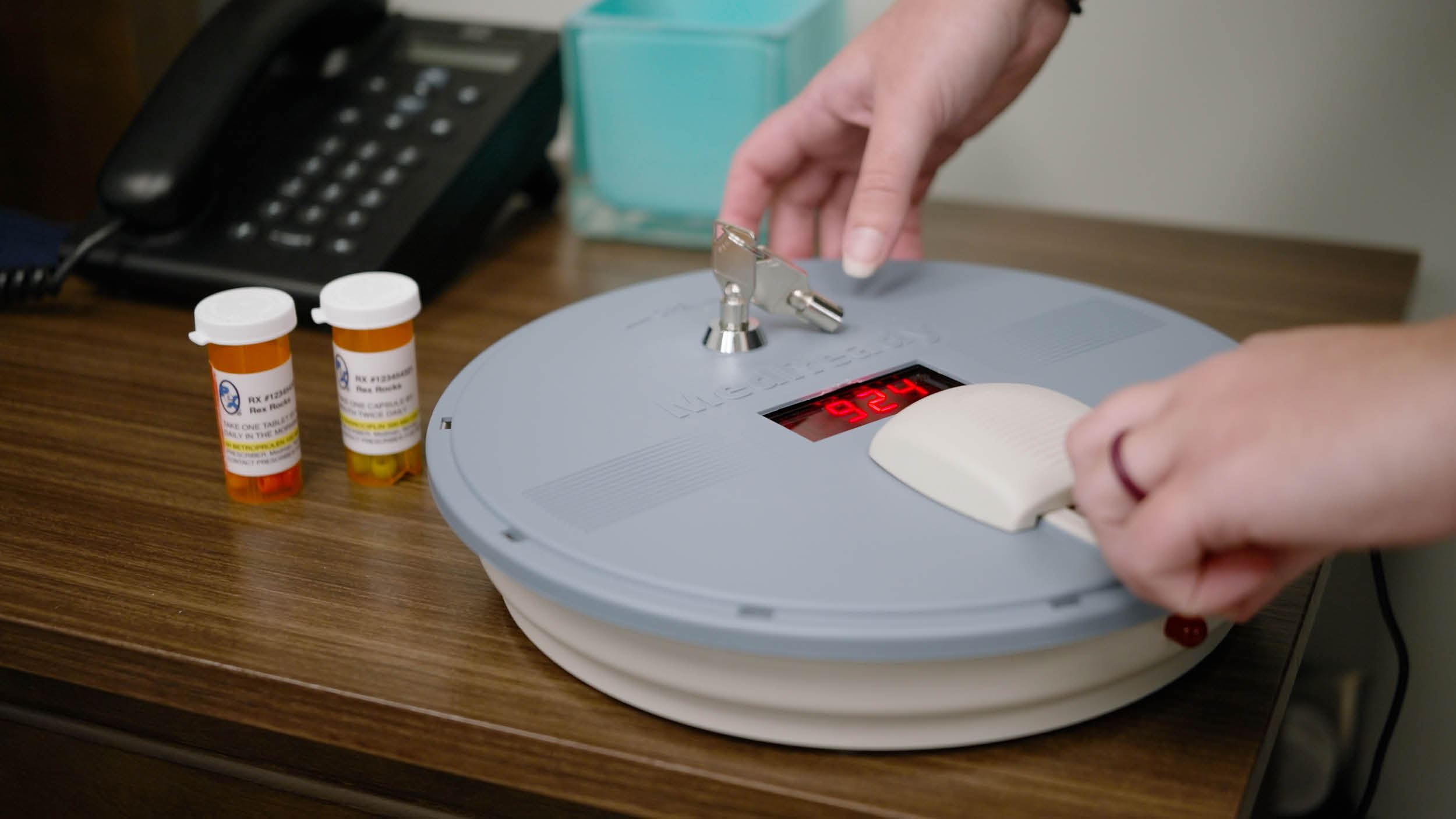
Managing a complex medication schedule is one of the most challenging IADLs. Depending on your loved one’s routine, they might need to take different pills at breakfast, lunch and bedtime. Missing a dose or taking a double dose can lead to serious health complications.
Smart medication dispensers remove the burden of memory from both the patient and the caregiver. These devices can be pre-loaded with a week or a month's worth of pills. At the designated time, the dispenser will flash a light, sound an alarm and unlock the correct compartment. If your loved one does not take the medication within a certain timeframe, the device can send an alert directly to the caregiver's phone. This ensures medications are taken properly, even if you are not present.