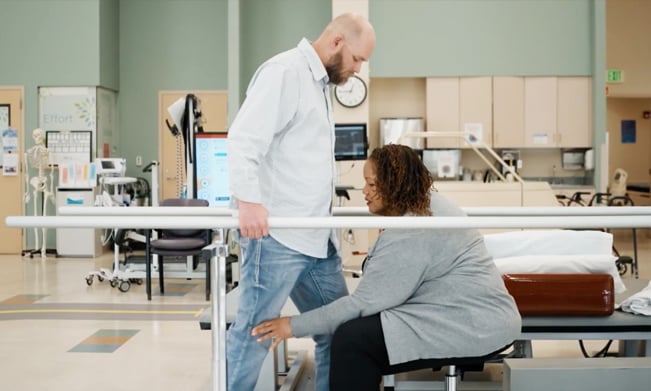
Benefits of rehabilitation for stroke recovery
Recovering from a stroke can be a challenging and overwhelming time. Inpatient rehabilitation offers the focused care you need to move forward.
You’ll receive daily, individualized therapy to rebuild strength, mobility and cognitive skills. A team of specialists works with you to set goals and track progress. Advanced technologies and 24/7 nursing care help you stay safe and confident. With this level of coordinated care, you can return to the people and activities that matter most.
Why stroke rehabilitation matters
What to expect during rehabilitation for stroke recovery
Every stroke and every recovery is unique. As the nation’s largest provider of inpatient rehabilitation, we're here to support you with the most personalized care possible, designed around your lifestyle and needs.
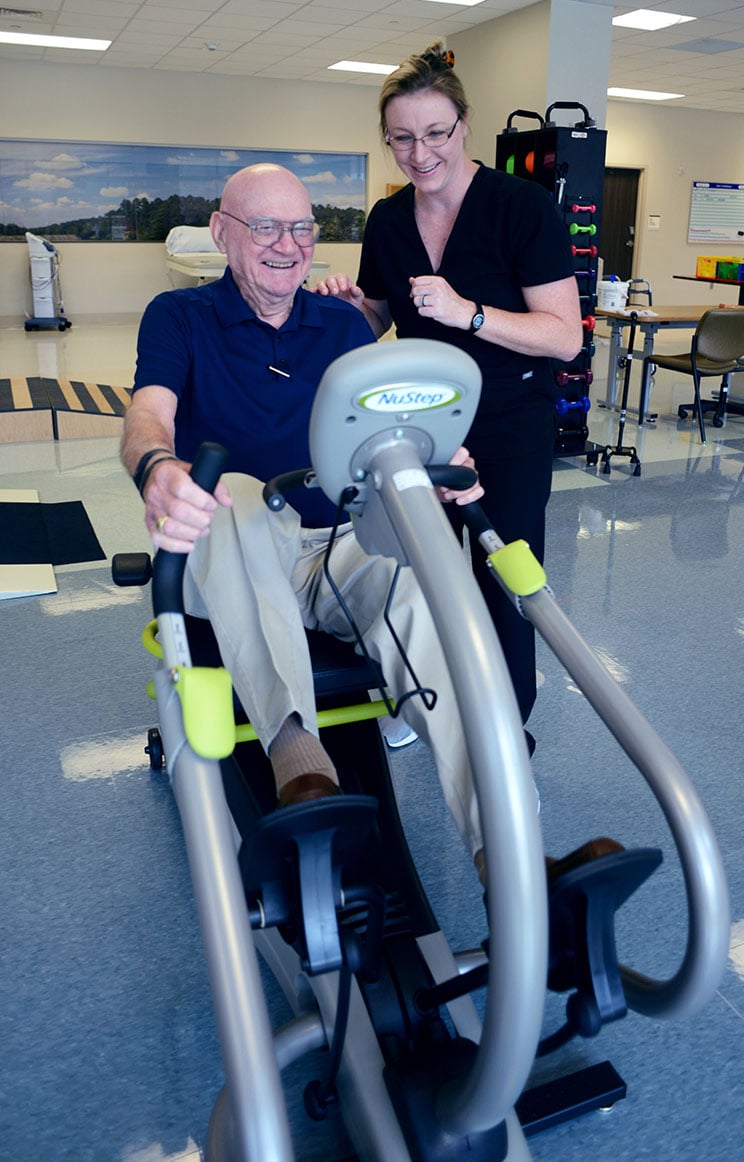
Occupational and physical therapy:
- Motor-skill exercises for muscle strength and coordination
- Mobility aid training, including a walker, cane, wheelchair or ankle brace
- Spasticity therapy to relieve muscle tension and improve range of motion
- Activities of Daily Living (ADL), such as grooming, shopping and cooking
Cognitive therapy:
- Memory, processing, problem-solving and social skills
- Speech therapy for speaking and swallowing
- Communication exercises (listening, writing and comprehension)
- Activities of daily living (signatures, medication management and financial skills)
Together to End Stroke
Encompass Health is a national supporter of the American Stroke Association’s Together to End Stroke initiative. Together, we find ways to prevent, treat and beat stroke. As part of our work, we’ve developed resources, like our Life After Stroke Guide, to help patients and their loved ones adjust to what comes after a stroke.
Frequently asked questions about stroke rehabilitation
Advanced technologies for stroke inpatient rehabilitation
Our main goal during rehabilitation for stroke recovery is to help you return to daily life and the activities you enjoy. These advanced technologies assist us in targeting the specific skills needed to help you get there.
Stroke rehabilitation resources
A stroke can impact nearly every aspect of life, from vision and cognition to mobility and mood. With access to a nationwide network of experts, our health resources cover a variety of topics related to stroke rehabilitation and recovery.
Customized inpatient rehabilitation for your recovery