Post-stroke pain is common, affecting an estimated 30 to 40 percent of stroke survivors experiencing some form of pain, according to the American Stroke Association. If you or a loved one is recovering from a stroke and experiencing pain, it is important to understand the possible causes and talk with your healthcare team about symptoms and treatment options.
Patients who recover in an inpatient rehabilitation hospital work closely with physical, occupational and speech therapists to address the causes of pain and improve function. Stroke patients are encouraged to continue pain management and coping strategies after returning home.
Elizabeth Bartel, a physical therapist at Rehabilitation Hospital of Phenix City, says that while post-stroke pain can be challenging, there is reason to stay positive. "Know that with the right management — medically and physically — pain can get better," she said.
What causes post-stroke pain?
A stroke occurs when a blood vessel that carries oxygen and nutrients to the brain is blocked by a clot or bursts. When part of the brain does not receive enough oxygen, brain tissue may be damaged.
This damage caused by a stroke can lead to nerve damage, muscle weakness and muscle stiffness, all of which can contribute to post-stroke pain.
Common types of post-stroke pain
Shoulder pain after stroke
Shoulder weakness is common after a stroke. In some cases, the shoulder joint partially separates, creating a gap between the upper arm bone, known as the humerus, and the shoulder socket. This condition is known as shoulder subluxation. Symptoms may include decreased mobility, tingling and a feeling that the shoulder is out of alignment.
In other cases, the tissue surrounding the shoulder thickens and forms scar tissue, which can limit movement and cause pain.
How it's treated:
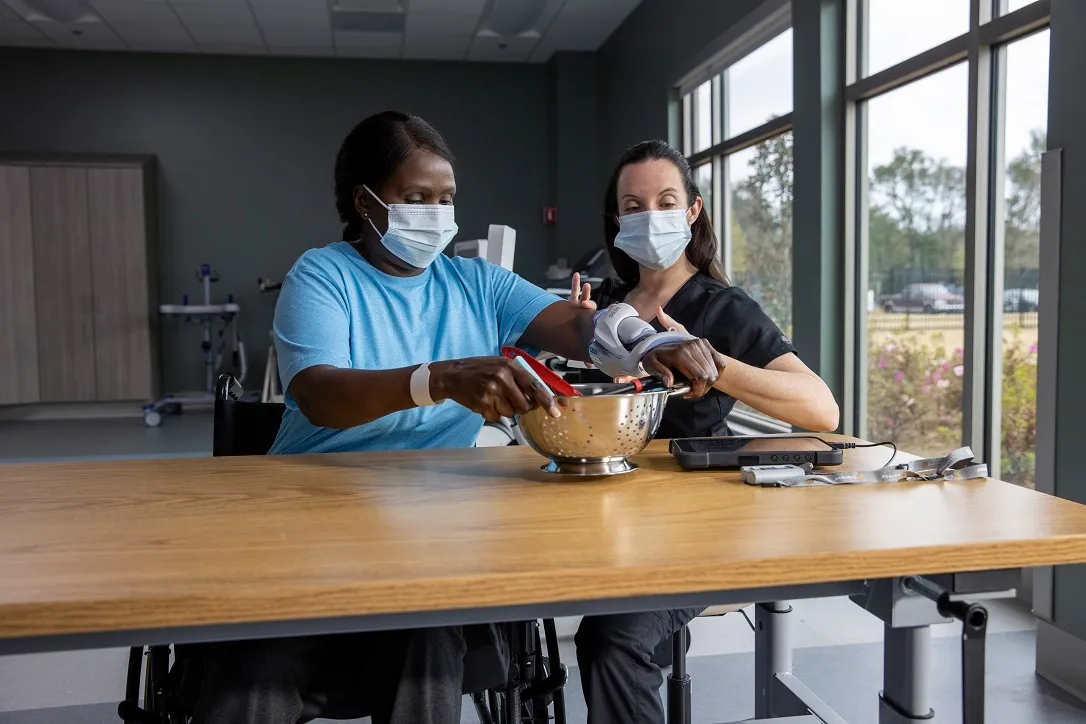
Therapists focus on strengthening the shoulder girdle muscles to support the shoulder joint. Treatment often includes range-of-motion exercises and guidance on proper positioning of the affected shoulder. If muscle activation is slow to return, your therapist might recommend a sling to improve stability and reduce pain.
Central post-stroke pain
Central post-stroke pain, often called CPSP, is caused by damage to the central nervous system. This can lead to hypersensitivity, where "an individual might jump at a light touch," Bartel said. Some people notice changes in skin temperature, color and texture on the affected limb. CPSP is often described as a burning, aching or shooting pain.
How it's treated:
Therapists may use sensory retraining to reduce hypersensitivity. These exercises gradually re-introduce patients to new and different textures to help the brain process sensation more normally. For example, your therapist may "start with something soft and smooth such as a pillowcase or sheet and work up to rougher textures such as a washcloth or jeans," Bartel said.
Pain related to hypersensitivity may also be treated with a transcutaneous electrical nerve stimulation (TENS) device. These devices send small electrical impulses through the skin to help calm damaged nerves. TENS units are commonly used in hospitals but can also be purchased for home use.
Spasticity
Spasticity is a common post-stroke condition that occurs when the brain sends uneven signals to the muscles. It causes muscles to tighten or contract involuntarily, often affecting the elbow, wrist or ankle. When muscles cannot move through their full range of motion, nearby tendons and soft tissue may become tight and stiff. Over time, this can lead to permanent tightening, known as a contracture.
How it's treated:
Bartel said that gentle stretching exercises can help calm spastic muscles and maintain flexibility. Therapists may also help you identify triggers that may worsen spasticity.
"Oftentimes if someone is frustrated while trying to complete a task, their spasticity can worsen,” Bartel said. “By identifying triggers, we can work through them together and find other solutions to prevent worsening the condition."
Headaches
Headaches are often a confusing and misunderstood type of post-stroke pain. According to the American Stroke Association, post-stroke headaches may have many possible causes and are not usually a sign of a serious problem. Still, any new or ongoing pain after a stroke should be discussed with your doctor.
How it's treated:
Your doctor will assess possible causes of the headache and may recommend medication, dietary changes or other strategies to help manage symptoms.
How to cope with post-stroke pain
Your doctor or therapists may recommend additional coping techniques to help manage pain after stroke. Coping plans vary from patient to patient, but plans often include exercise programs, nutrition, stress management and emotional support.
The benefits of exercise after stroke
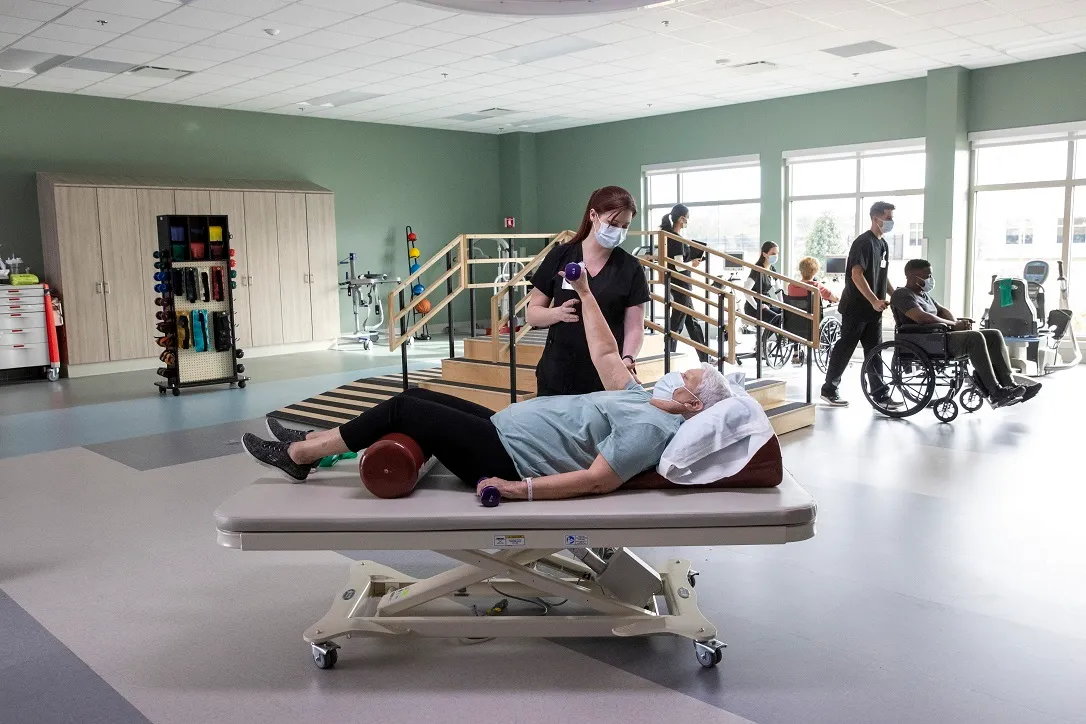
Exercise plays an important role in managing pain and supporting recovery. A therapist-designed exercise plan may include:
- Aerobic exercise to improve endurance, walking ability and cardiovascular health.
- Resistance training with light weights to rebuild strength and support activities of daily living.
- Flexibility exercises and gentle stretching to reduce muscle tightness, improve range of motion and help prevent contractures caused by spasticity.
Eating well to support recovery
Nutrition can help reduce inflammation, support healing and lower the risk of a second stroke. Limiting foods high in sugar and sodium and drinking enough water may also help reduce pain-related symptoms, such as headaches.
If weight loss is recommended, small changes can make a meaningful difference. Losing as little as five to 10 pounds can improve your overall health and support recovery.
During inpatient rehabilitation, a registered dietitian is part of your care team. They help ensure you receive the nutrients needed to participate in therapy and recommend long-term dietary changes to support your recovery.
Managing stress levels during recovery
Recovering from a stroke can affect mental health and well-being, especially when pain is involved. Finding ways to reduce stress may improve both mood and pain levels.
Yoga can complement physical therapy for stroke by combining gentle movement with breathing exercises to help you relax. Meditation may also help manage blood pressure, insomnia, depression and anxiety. Even beginners can start by sitting quietly, focusing on your breath and gently returning attention when your mind wanders. Gradually increase the amount of time you're able to stay focused.
Finding support after stroke
You do not have to face stroke recovery alone. Many stroke survivors find comfort and connection by connecting with others who understand their experience. Support groups can provide information and a sense of belonging to help you reclaim your life and develop more independence. Ask your healthcare provider about AHA-sponsored stroke support groups near you.