A stroke is a medical emergency that occurs when blood flow to the brain is interrupted, causing damage to brain tissue. Understanding what a stroke is, along with its causes, effects and recovery options, can help reduce risk and improve outcomes.
Clinically reviewed by Dr. Elissa Charbonneau.
In the United States, around 795,000 people have a stroke each year. But what is a stroke? Understanding strokes and their risk factors can greatly reduce your risk. If you or a loved one has had a stroke, early treatment and specialized rehabilitation can greatly improve recovery and quality of life.
What is a stroke?
A stroke is the sudden disruption or loss of the normal blood flow to the brain, resulting in damage to the brain tissue. It affects the arteries of the brain and occurs when blood vessels in the brain burst or are blocked by a clot. When this happens, the affected part of the brain does not receive the oxygen and nutrients it needs for nerve cells to function.
A stroke is a nontraumatic type of brain injury. When any kind of brain injury occurs, it can affect your ability to think, communicate and move. The part of your brain where the stroke occurs plays a major role in how these abilities are affected.
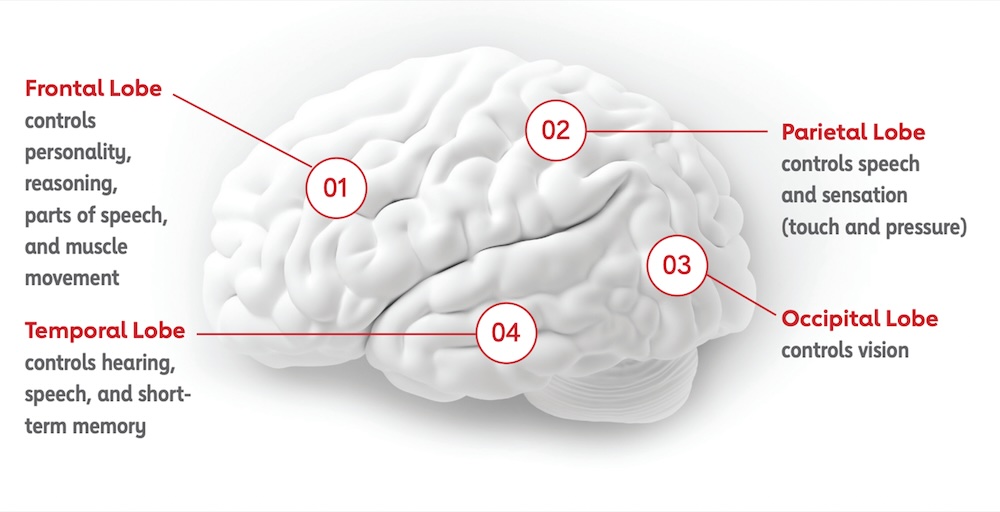
Different areas of the brain control different functions, including:
- Frontal lobe: Personality, reasoning, parts of speech and muscle movement
- Temporal lobe: Hearing, speech and short-term memory
- Parietal lobe: Speech and sensation
- Occipital lobe: Vision
Types of stroke
There are many different types of stroke, some more common than others.
- Ischemic stroke: These strokes occur when blood flow in the brain, either deep within the brain or in the carotid artery in the neck, is blocked by a clot. Ischemic strokes account for about 87 percent of strokes.
- Hemorrhagic stroke: These strokes account for only 13 percent of all strokes. A hemorrhagic stroke occurs when the walls of an artery in the brain ruptures, causing bleeding in and around the brain. These are also called ruptured aneurysms.
Stroke risk factors and prevention
There are many risk factors for stroke. Some of them cannot be controlled. Your risk of stroke increases as you age, although strokes can occur at any age. Your risk also increases if you have had a previous stroke. However, there are steps you can take to help reduce your risk of stroke:
- Watch your blood pressure: High blood pressure is the most important risk factor for stroke. It can often be managed with medication and lifestyle changes.
- Lower bad cholesterol: Lifestyle changes and medication can keep your LDL, or bad cholesterol, at healthy levels.
- Manage diabetes: If you have diabetes, work with your physician to keep your A1C within target range.
- Exercise: Moderate exercise improves cardiovascular health and reduces a number of stroke risk factors.
- Stop smoking: Smoking is a major risk factor for heart disease and stroke.
Signs and symptoms of a stroke
A stroke is a medical emergency. The acronym BE FAST can help you recognize the signs of a stroke and know when to call emergency medical services.
- B — Balance: — Sudden loss of balance or coordination
- E — Eyes: Sudden change in vision
- F— Face: One side of the face droops when smiling
- A — Arm: One side drifts downward when raised
- S — Speech: Slurred or unusual speech
- T — Time: Call 911 immediately if you notice these signs
If you or someone you know is experiencing any of these symptoms, seek medical attention immediately. Early stroke treatment can limit brain damage and improve outcomes.
Diagnosing a stroke
If stroke symptoms are present, a doctor may diagnose a stroke using:
- Your medical history
- Physical and neurological exams
- Diagnostic tests, such as blood work, CT scans or MRI
These tests help determine where the stroke occurred and what type of stroke it was, which guides treatment and recovery options.
Common effects of stroke
The effects of a stroke vary widely. Severity and recovery depend on the type of stroke, the area of the brain affected and how quickly treatment begins.
Physical impairments
After a stroke, physical impairments may include:
- Weakness in certain limbs or muscles
- Spasticity, or high muscle tone
- Flaccidity, or decreased muscle tone
- Reduced sensation or abnormal movements
- Balance or coordination problems
- Apraxia, which affects motor planning skills
Occupational and physical therapists help patients after stroke relearn movement, balance and how to use assistive devices.
Communication, cognitive and swallowing difficulties
A stroke may also affect speech, swallowing and cognitive abilities. These effects may include:
- Dysphagia: Difficulty swallowing
- Apraxia of speech: Difficulty forming words
- Aphasia: Difficulty understanding or expressing speech
- Cognitive challenges: Issues with memory, attention or problem solving
Speech-language pathologists support recovery through exercises, technology and communication techniques.
Activities of daily living
After a stroke, you may struggle with everyday activities, such as eating, bathing, dressing or using the bathroom. These are referred to as activities of daily living. Occupational therapists help patients regain independence in these daily tasks. They also help patients return to meaningful activities, such as hobbies or work, by teaching new approaches to complete them.
Maximizing recovery after a stroke
Rehabilitation plays a critical role in stroke recovery. According to the 2016 adult stroke rehabilitation guidelines released by the American Heart Association, whenever possible, stroke patients should be treated at an inpatient rehabilitation hospital rather than a skilled nursing facility.
How long it takes to recover after a stroke varies between individuals. It's generally believed that the most rapid recovery takes place in the first three to four months. After that, continued improvement can be seen for a year or longer.
How can rehabilitation help?
At an inpatient rehabilitation hospital, patients typically receive a minimum of three hours of therapy a day at least five days per week. Stroke rehabilitation includes a combination of physical, occupational and speech therapy designed to meet your unique needs. It is intended to improve skills and progress as you grow stronger during your stay.
The intensity and repetition of therapy are key factors in recovery. Advanced rehabilitation technology can also help therapists maximize the benefits of your therapy sessions.
Patients are supported by a multidisciplinary team that may include therapists, physicians, dietitians, case managers and pharmacists. Registered nurses are also available 24/7 to help manage your medical needs. Your care team will work with you and your family to set goals specific to your needs and help you get back to what matters most.
Families and caregivers are an important part of the rehabilitation process. Education, training and planning help prepare patients and caregivers for a safe transition home and continued recovery.